


When a Construction Site Injury Isn’t Your Employer’s Fault Alone: Understanding Third Party Liability in Fort Lauderdale
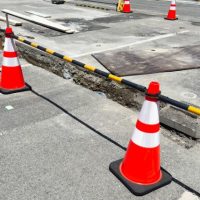
Construction sites are some of the most hazardous workplaces in Florida. Scaffolding collapses, falling debris, defective equipment, and unsafe excavation work injure workers and bystanders every year across Fort Lauderdale’s busy building projects. When an injury happens on the job, most workers assume their only option is a workers’ compensation claim. In many cases, however, a party other than the employer may bear responsibility, and that distinction can make a significant difference in the compensation available to an injured worker or bystander.
Why Workers’ Compensation Isn’t Always the Whole Story
Florida law generally requires employers to carry workers’ compensation insurance, and in exchange, injured employees typically cannot sue their employer directly for a workplace injury. Under Florida Statute 440.11, this immunity is described as the exclusive remedy against an employer for most on the job injuries. That protection, however, only extends to the employer and certain related parties. It does not automatically shield every company or individual who contributed to an unsafe worksite.
Who Might Be Held Liable Beyond the Employer
A construction site typically involves far more than a single employer and its crew. General contractors, subcontractors, equipment manufacturers, property owners, architects, and engineers may all play a role in a project, and any one of them could be a proper target for a third party liability claim if their negligence caused an injury. Common examples include:
- A subcontractor whose careless work created a dangerous condition for workers employed by a different company
- An equipment manufacturer whose defective crane, scaffold, or power tool malfunctioned
- A property owner who failed to address a known hazard on the site
- A passing motorist who struck a worker near a road construction zone
Because these parties are not the injured worker’s direct employer, the exclusivity protection under Florida Statute 440.11 generally does not apply to them, which means an injured person may be able to pursue a separate civil claim in addition to any workers’ compensation benefits received.
Building a Strong Third Party Claim
Proving a third party liability claim requires showing that the outside party owed a duty of care, breached that duty, and caused the injury as a result. This often involves reviewing safety logs, inspection records, contracts between the various companies on site, and physical evidence from the accident scene. Because construction sites involve multiple layers of contractors and subcontractors, sorting out exactly who is responsible can be complicated, and insurance companies representing these parties often work quickly to limit their own liability. Prompt investigation is important to preserve evidence before it disappears or is altered.
Reach Out to Our Team Today
If you or a loved one has been injured on a construction site, do not assume your only option is a workers’ compensation claim. A thorough review of the accident may reveal that a negligent third party contributed to your injuries and can be held accountable. Our Fort Lauderdale construction accident lawyers are ready to investigate every angle of your case and pursue every source of compensation available to you. Reach out to Boone & Davis for guidance.
Source:
flsenate.gov/Laws/Statutes/2025/440.11