


When the Storm Passes but the Danger Doesn’t: Hurricane Season Driving and Liability in South Florida
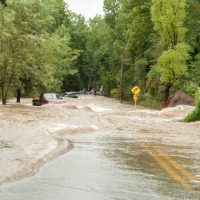
Hurricane season officially runs from June 1 through November 30, and South Florida drivers know the routine: bands of tropical rain, flooded intersections, evacuation traffic, and debris that lingers long after the wind has moved on. Crashes in these conditions raise a question many people get wrong. If the storm was to blame, can anyone be held responsible? Often, yes. Our Fort Lauderdale car accident lawyers at Boone & Davis break down how liability works when the weather turns ugly.
Hazards That Appear Before and After Landfall
- Standing water that causes hydroplaning or stalls engines
- Heavy rain that cuts visibility to a few car lengths
- Fallen limbs, loose roofing, and other road debris
- Traffic signals that are dark or flashing after power failures
- Crowded evacuation routes and long lines at fuel stations
Flood Water Is Deadlier Than It Looks
The National Weather Service reports that, according to the Centers for Disease Control and Prevention, over half of all flood-related drownings happen when a vehicle is driven into hazardous flood water. The agency also warns that 12 inches of rushing water can carry away most cars, and two feet can sweep away SUVs and trucks. Its advice is simple: turn around, don’t drown.
Bad Weather Does Not Erase a Driver’s Duty
Section 316.1925(1), Florida Statutes, requires every driver to operate a vehicle in a careful and prudent manner, with regard for traffic and all other attendant circumstances, so as not to endanger anyone. A tropical downpour is one of those circumstances, and it calls for slower speeds and longer following distances, not an excuse. Section 316.217(1)(b) also requires headlights to be on during any rain, smoke, or fog. A driver who tailgates in a downpour, speeds through standing water, or plows through a dark intersection without caution can be found negligent even though the weather made driving harder.
How Fault Gets Divided
Florida applies comparative fault. Under section 768.81(2), responsibility assigned to an injured person reduces the damages awarded proportionally, and under section 768.81(6), a party found more than 50 percent at fault for his or her own harm may not recover damages at all. Insurers know this and often argue that an injured driver should never have been on the road. Preserving evidence early, including photos of standing water, dashcam footage, and records of signal outages, helps answer that argument, and the two-year deadline in section 95.11(5)(a) leaves little room for delay.
Do not let the forecast become the defense. If you were hurt in a crash during a storm or its aftermath, contact Boone & Davis today. Our Fort Lauderdale car accident lawyers will gather the evidence, deal with the insurers, and push to hold the responsible driver accountable.
Source:
weather.gov/safety/flood-turn-around-dont-drown