


When a Blown Tire Is Not an Accident: Manufacturer Liability After Florida Car Crashes
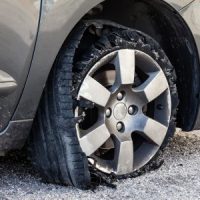
A tire blowout at highway speed happens in less than a second, but the failure behind it can take years to develop. Rubber compounds age, steel belts separate, and tread wears unevenly long before a driver hears the bang and feels the car lurch. When a blowout causes a crash, the instinct is often to blame road debris or bad luck. In many cases, though, the real cause traces back to how the tire was designed, built, or maintained, and Florida law treats those possibilities very differently when it comes to who bears responsibility.
Distinguishing a Defect From an Ordinary Road Hazard
Tire failures are not rare events. According to the National Highway Traffic Safety Administration, tire related crashes caused 511 traffic deaths in 2024, and poor maintenance habits such as underinflation and skipped rotations remain leading contributors nationwide. Maintenance failures are only part of the story, though. Manufacturing defects, such as improperly cured rubber or belts that were never bonded correctly, and design defects that leave a tire unable to handle its rated load or speed, can cause a blowout even on a properly maintained vehicle.
Florida applies strict products liability principles to claims like these. A strict liability claim does not require proving the manufacturer was careless. It requires showing the tire was defective when it left the manufacturer’s control and that the defect caused the injury. This matters because in many blowout cases, the party ultimately responsible is not the other driver at all, but a manufacturer, distributor, or retailer somewhere in the supply chain.
Building a Case Against a Manufacturer
Proving a tire defect caused a crash takes technical work. It typically involves preserving the failed tire before it is discarded or repaired away, documenting the tread separation pattern, pulling the manufacture date code from the sidewall, and often retaining an engineer to examine how the tire failed. Recall history matters too, since manufacturers have issued mass recalls after patterns of blowouts surfaced from the same defect across thousands of units. A few factors tend to determine how strong a defect claim will be:
- Whether the tire model has a documented recall or a pattern of similar reported failures
- The age and manufacture date of the tire, since rubber degrades even on tires that look fine
- Whether the tread wear pattern fits a defect rather than ordinary road damage or underinflation
- Every party in the chain of distribution, since manufacturers, distributors, and retailers can all carry exposure
- Whether maintenance records support proper inflation and rotation, which weakens a misuse argument
Acting Before the Evidence Disappears
Tire evidence does not last long. Once a damaged vehicle is repaired or a blown tire is thrown out, the physical proof of a defect can disappear with it. Anyone injured in a crash suspected to involve a tire failure should preserve the tire, ask the responding officer to document it, and speak with an attorney quickly enough to send preservation letters before that evidence is gone.
Our Fort Lauderdale auto defect attorneys at Boone & Davis know how to move fast, secure physical evidence, and determine whether a manufacturer bears responsibility for what happened to you. If you were hurt in a crash involving a possible tire failure, reach out and let us take a look at what the evidence shows.
Source:
flsenate.gov/Laws/Statutes/2023/95.11