


Check-In, Check Safety: When a Short-Term Rental’s Hazards Become a Premises Liability Claim
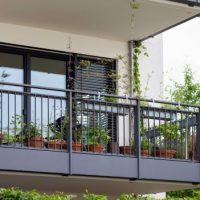
Vacation guests choose rentals by photos and star ratings, not inspection reports. Yet under section 509.242(1)(c), Florida Statutes, a vacation rental is a transient public lodging establishment, and the Department of Business and Professional Regulation’s July 2025 unit summary lists more than 170,000 licensed vacation rental units statewide. When a balcony railing gives way or a pool sits unsecured, the legal question becomes whether the owner or manager met the standard Florida law sets.
Safety Rules That Reach Rentals
Several statutes speak directly to the hazards guests face:
- Locks: Section 509.211(1) requires approved locking devices on each bedroom or apartment door that opens to the outside, an adjoining room, or a hallway.
- Railings: Section 509.211(3) requires public lodging establishments three or more stories tall to keep safe and secure railings on all balconies, platforms, and stairways.
- Carbon monoxide: Section 553.885(1) requires an operational alarm within 10 feet of each sleeping room in buildings constructed on or after July 1, 2008 that have fuel-burning appliances, a fireplace, or an attached garage.
- Pools: Section 515.27(1) requires a new residential pool to have at least one safety feature, such as a barrier, cover, door alarm, self-closing latch, or pool alarm, to pass final inspection.
Notably, section 509.211 contains no pool rule aimed at vacation rentals. A 2026 proposal, Senate Bill 658, would have required water-safety features for rentals. It passed the Senate 37 to 0 but died in the House on March 13, 2026.
How Violations Support a Claim
Owners owe guests a reasonably safe property and a warning about hidden dangers they know of or should know of. A code violation can be powerful proof that the duty was breached. Section 553.84 gives a cause of action to anyone damaged by a material violation of the Florida Building Code, meaning a violation in a completed building that may reasonably result, or has resulted, in physical harm. The statute’s safe harbor for permitted, inspected construction is unavailable once someone is physically injured.
Who May Be Responsible
Depending on the facts, liability can reach the property owner, a management company that handled upkeep and bookings, or a contractor who made a negligent repair. Deadlines and fault rules apply: most negligence claims must be filed within two years under section 95.11(5)(a), and under section 768.81(6) a guest found more than 50 percent at fault cannot recover damages. Details about exactly how the injury happened matter.
Save the Listing, Then Call Us
Evidence in rental cases can change overnight, because hosts edit listings and clean up properties. Screenshot the listing, keep booking confirmations and messages with the host, and photograph the hazard. At Boone & Davis, we handle injuries at vacation rentals, including Airbnb and VRBO stays. If you or your family was hurt, our Fort Lauderdale premises liability attorneys can investigate the property, the host, and the manager. Contact us today for a free consultation.
Sources:
https://www.flsenate.gov/Laws/Statutes/2025/509.242
https://www2.myfloridalicense.com/hr/reports/statistics/documents/hr403a-sum_fy2425.pdf