


Nine Cars, One Highway: What Fort Lauderdale’s Recent I-95 Pileup Reveals About Chain-Reaction Crash Liability
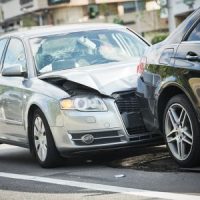
Late last month, a multi-vehicle crash on the southbound lanes of Interstate 95 near Sunrise Boulevard sent three people to the hospital and shut down express lanes during the evening commute. Reports indicate at least eight to nine vehicles were involved, with emergency crews working to clear the scene as traffic backed up for miles. As Fort Lauderdale auto accident lawyers, our firm knows that crashes like this one raise legal questions that are far more complicated than a typical two-car collision.
Why Pileups Are Legally Complicated
When a single chain-reaction crash involves nine vehicles, determining who caused what damage becomes a genuine investigative challenge. Did one driver’s sudden lane change trigger the first collision? Did following vehicles maintain a safe distance, or did tailgating turn a minor fender bender into a multi-car catastrophe? Every vehicle in the chain may bear a different share of responsibility, and that share directly affects how much compensation each injured party can recover.
Florida’s Modified Comparative Fault Rule
Since Florida’s 2023 tort reform, the state no longer follows a pure comparative negligence model. Under Florida Statute § 768.81, any party found to be more than 50 percent at fault for their own injuries is barred entirely from recovering damages. A driver found only 30 percent responsible can still recover 70 percent of their losses, but crossing that halfway threshold means walking away with nothing, no matter how serious the injuries.
This rule makes multi-vehicle pileups especially high stakes. Insurance companies representing several drivers may each try to shift blame onto other vehicles in the chain, sometimes including the injured victim, in an effort to push that person’s fault percentage above 50 percent and eliminate the claim altogether.
Building a Strong Case After a Pileup
Because fault in these crashes is rarely obvious, a thorough investigation typically involves several steps.
- Reviewing traffic camera and dash cam footage from surrounding vehicles
- Obtaining the official crash report and any Florida Highway Patrol findings
- Consulting accident reconstruction experts to establish sequence and speed
- Interviewing witnesses who saw the initial impact versus later collisions
Because express lane crashes often involve high speeds, the injuries can be significant even when no single driver appears obviously reckless. Traumatic brain injuries, spinal injuries, and broken bones are common outcomes of highway pileups, and the medical costs can mount quickly.
We Are Ready to Help
Untangling fault among multiple drivers takes resources, patience, and a firm willing to dig into every piece of evidence. That is exactly what we do. If you or someone you love was hurt in this crash or another multi-vehicle collision on Florida’s highways, contact Boone & Davis today. We will review the details of your case at no cost and help you understand what your claim may be worth.
Source:
local10.com/news/local/2026/07/28/i-95-pileup-in-fort-lauderdale-injures-3-creates-major-backup/