
What Property Owners in Florida Must Do to Prevent Injuries
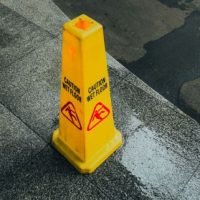
If you slipped on a wet floor at a grocery store, tripped over an uneven sidewalk at an apartment complex, or were hurt at someone’s home, you may be wondering whether the property owner bears any legal responsibility for what happened. The answer often depends on Florida’s premises liability law, and understanding how that law works can make a significant difference in whether you are able to recover compensation for your injuries.
The Legal Duties Florida Places on Property Owners
Florida law does not treat all visitors the same way, and neither do its premises liability rules. The level of care a property owner owes you depends largely on why you were on the property in the first place.
- Invitees are people who enter a property for business purposes, such as shoppers at a retail store or patrons at a restaurant. Property owners owe invitees the highest duty of care. This means actively inspecting the premises for hazards, correcting dangerous conditions, and warning visitors of any risks that are not immediately obvious.
- Licensees are social guests or others who have the owner’s permission to be on the property but are not there for business. Owners must warn licensees of known dangers, but are not required to conduct active inspections for unknown hazards.
- Trespassers are generally owed minimal protection, though there are limited exceptions, particularly when children are involved under the “attractive nuisance” doctrine.
For slip and fall injuries specifically, Florida Statute § 768.0755 sets out the rules that apply when someone is hurt by a temporary hazard on a business’s floor, such as a spilled liquid or food debris. Under this statute, the injured person must show that the business had actual or constructive knowledge of the dangerous condition and should have acted to address it. Constructive knowledge can be established by showing that the hazard existed long enough that the owner should have discovered it, or that the type of hazard occurred often enough to be foreseeable.
What Counts as a Breach of Duty?
When a property owner fails to live up to the standard of care the law requires, that failure is called a breach of duty. Common examples include failing to clean up spills within a reasonable time, leaving broken stairs or uneven flooring unrepaired, failing to put up warning signs near obvious hazards, not providing adequate lighting in stairwells or parking lots, and neglecting to address known security risks. The key question courts often examine is whether the owner knew or reasonably should have known about the dangerous condition and did nothing about it.
It is also worth noting that Florida’s comparative fault rules apply here, just as they do in other personal injury cases. If your own conduct contributed to the accident, your compensation could be reduced proportionally, and under current Florida law, a finding that you were more than 50% at fault could bar recovery entirely.
Hurt on Someone Else’s Property? Talk to Our Fort Lauderdale Team Today
Premises liability cases can be harder to prove than they might seem on the surface. Insurance companies often push back hard, arguing that the owner had no knowledge of a hazard or that the victim was at fault. That is why it is so important to speak with experienced legal counsel as soon as possible after an injury. Our Fort Lauderdale premises liability attorneys at Boone & Davis are ready to evaluate your case, help you understand your rights under Florida law, and fight for the compensation you deserve. Contact us today for a free consultation. We handle cases on a contingency fee basis, so you pay nothing unless we recover for you.
Source:
flsenate.gov/Laws/Statutes/2012/768.0755
