
Helmet or No Helmet? How Florida’s Motorcycle Helmet Law Can Shape the Value of Your Injury Claim
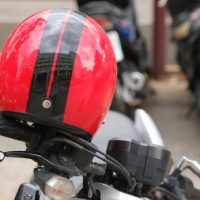
Florida is one of the few states that lets many adult riders decide for themselves whether to wear a helmet. That freedom carries a legal side effect most riders never think about until after a crash. As Fort Lauderdale motorcycle accident attorneys, we routinely see insurance companies turn a rider’s helmet choice into their main argument for paying less, even when a careless driver plainly caused the collision.
What Florida Law Actually Requires
Section 316.211, Florida Statutes, sets the baseline. Subsection (1) requires riders to wear protective headgear that meets Federal Motor Vehicle Safety Standard 218. Subsection (3)(b) creates the well-known exception: a rider over 21 may ride without a helmet if covered by an insurance policy providing at least $10,000 in medical benefits for crash injuries. Two details often get overlooked. The eye protection requirement in subsection (2) applies to operators with no age exception, and riders under 21 have no helmet exemption at all.
So a helmetless adult with qualifying coverage is riding legally. Legal, however, does not mean irrelevant.
The Helmet Defense and Comparative Fault
Florida divides damages according to each party’s share of fault under Section 768.81. Defense lawyers use this framework to argue that a rider who skipped the helmet contributed to the severity of his or her own injuries, even if the rider did nothing to cause the crash. The distinction matters. The argument does not claim the rider caused the collision. It claims the rider made the injuries worse.
Since the 2023 tort reform, this argument carries higher stakes. Under Section 768.81(6), a party found greater than 50 percent at fault for his or her own harm cannot recover any damages. A helmet argument stacked on top of other fault allegations, such as speeding or lane splitting, can push a claim uncomfortably close to that line.
Where the Helmet Argument Falls Apart
The helmet defense is not automatic, and it is often weaker than insurers suggest. The defense generally has to prove, usually through expert testimony, that a helmet would have prevented or reduced the specific injuries claimed. That burden creates real openings for an injured rider:
- Injuries to the legs, hips, arms, spine, and internal organs typically have nothing to do with helmet use.
- Some impacts exceed the forces a DOT-compliant helmet is designed to absorb.
- Biomechanical evidence may show a head injury would have happened with or without a helmet.
- A rider wearing a noncompliant “novelty” helmet presents a different factual question than one wearing nothing.
Federal data shows why these cases call for careful analysis rather than assumptions. According to the National Highway Traffic Safety Administration, 6,228 motorcyclists were killed nationwide in 2024, accounting for 16 percent of all traffic fatalities. Riders absorb enormous force in nearly every serious crash, and sorting out which injuries a helmet could have changed takes medical and engineering precision.
Talk With Us Before the Insurer Frames the Story
How your helmet use is characterized early in a claim can follow the case all the way to trial. Our Fort Lauderdale motorcycle accident lawyers at Boone & Davis know how to challenge inflated comparative fault arguments and keep attention on the driver who caused the crash. Call us or reach out online for a free consultation, and we will give you a straight assessment of what your claim is really worth.
Source:
leg.state.fl.us/statutes/index.cfm?App_mode=Display_Statute&URL=0300-0399/0316/Sections/0316.211.html
